
Fitness trackers have become essential tools for anyone interested in improving health, physical activity, and overall lifestyle quality. What started as simple step counters has evolved into advanced wearable technology capable of tracking heart rate, sleep stages, blood oxygen levels, stress, recovery, and training load.
Fitness trackers have become an integral part of everyday life for people who want to better understand their bodies and make more informed decisions about health and activity. Unlike traditional fitness equipment, wrist-based trackers work continuously in the background, collecting data throughout the day and night without requiring active input from the user. This passive data collection allows patterns to emerge over time, revealing trends in physical activity, sleep quality, recovery, and overall lifestyle balance that would otherwise go unnoticed.
One of the key advantages of fitness bracelets is their ability to provide context rather than isolated metrics. A single workout or a bad night of sleep rarely tells the full story, but when data is tracked consistently over weeks and months, it becomes possible to identify meaningful correlations between behavior and physical state. Users often begin to notice how late-night screen time affects sleep quality, how daily step count influences energy levels, or how elevated resting heart rate can signal insufficient recovery or increased stress. This level of awareness can gradually shape healthier habits without the need for rigid rules or extreme interventions.
Comfort plays a critical role in the effectiveness of fitness trackers, especially for users who aim to wear their devices around the clock. Modern fitness bands are designed to be lightweight, slim, and unobtrusive, making them suitable for continuous use during work, exercise, and sleep. Materials have improved significantly in recent years, with softer straps, better skin compatibility, and more durable finishes that withstand sweat, water, and daily wear. When a tracker feels natural on the wrist, users are far more likely to wear it consistently, which directly improves the quality and usefulness of the collected data.
Battery life is another factor that strongly influences long-term adherence. Devices that require frequent charging tend to be worn less consistently, particularly during sleep, which is one of the most valuable periods for health monitoring. Fitness bracelets with battery life ranging from one to two weeks allow users to forget about charging routines and focus instead on the insights provided by the data. Over time, this convenience becomes just as important as advanced features, especially for users who value simplicity and reliability.
The role of companion apps should not be underestimated when evaluating fitness trackers. While the hardware collects data, the software determines how that data is interpreted and presented. Clear visualizations, intuitive dashboards, and actionable insights make a significant difference in how useful the information feels on a daily basis. The best apps go beyond raw numbers, offering explanations, trends, and gentle recommendations that help users understand what the data means and how to respond to it. Poorly designed apps, on the other hand, can make even accurate tracking feel confusing or irrelevant.
As fitness trackers continue to evolve, the line between health monitoring and lifestyle coaching becomes increasingly blurred. Many modern devices now include features such as stress tracking, breathing exercises, readiness scores, and recovery indicators. These tools encourage users to view health as a dynamic balance rather than a constant push for higher intensity or more activity. For many people, this shift in perspective leads to more sustainable routines, better recovery, and fewer burnout cycles.
It is also important to recognize that fitness trackers are not medical devices and should be viewed as supportive tools rather than diagnostic instruments. Their greatest value lies in long-term trend observation rather than precise moment-to-moment measurements. When used with realistic expectations, they can enhance self-awareness and motivation without creating unnecessary anxiety about individual data points. Users who focus on overall patterns instead of daily fluctuations tend to benefit the most from wearable technology.
Ultimately, the effectiveness of a fitness bracelet depends less on its technical specifications and more on how well it integrates into a person’s daily life. A tracker that aligns with personal goals, comfort preferences, and lifestyle habits is far more likely to be used consistently and meaningfully. When fitness tracking becomes a seamless part of the day rather than a chore, it has the potential to support healthier choices, improved routines, and a deeper understanding of one’s own body over the long term.
In 2025, fitness wristbands occupy a unique position between smartwatches and medical-style wearables. They are lighter, more affordable, and easier to wear 24/7, making them ideal for users who want consistent health monitoring without the bulk and distractions of a smartwatch.
A high-quality fitness tracker should deliver accurate data, long battery life, comfortable wear, and clear insights that actually help users change behavior. In this guide, we tested 10 popular fitness trackers to determine which models deliver the best balance of accuracy, usability, and value.
As wearable technology becomes more deeply integrated into everyday routines, fitness trackers increasingly function as personal health diaries rather than simple activity counters. By continuously monitoring movement, heart rate, and sleep, these devices create a long-term record of how the body responds to daily demands, training stress, and recovery habits. Over time, this accumulated data offers insights that are difficult to obtain through sporadic measurements or subjective ощущения, allowing users to better understand their baseline health and how it changes under different conditions.
One of the most valuable aspects of fitness wristbands is their ability to highlight consistency rather than intensity. While many people focus on individual workouts or short-term goals, long-term health improvements are usually driven by repeated, moderate actions performed day after day. Fitness trackers reinforce this idea by emphasizing daily activity levels, movement reminders, and weekly trends. For many users, seeing consistent patterns emerge is more motivating than chasing isolated personal records, especially when the goal is general health rather than competitive performance.
Sleep tracking has become one of the defining features of modern fitness bracelets, and its importance cannot be overstated. Quality sleep influences recovery, hormone regulation, immune function, and cognitive performance. By analyzing sleep duration, stages, and interruptions, fitness trackers provide a clearer picture of how well the body recovers overnight. Over time, users often begin to recognize how lifestyle factors such as caffeine intake, late meals, stress, or irregular schedules affect sleep quality. This feedback loop encourages small, practical adjustments that can lead to meaningful improvements without drastic lifestyle changes.
Another area where fitness trackers add value is stress awareness. Although stress is a subjective experience, physiological markers such as heart-rate variability can indicate how the nervous system responds to daily pressures. When interpreted correctly, these metrics help users recognize periods of elevated strain and understand the importance of recovery. Rather than pushing harder during every workout, many users learn to balance effort with rest, leading to better long-term outcomes and reduced risk of overtraining or burnout.
The simplicity of fitness bracelets also plays an important role in their popularity. Unlike full-featured smartwatches, fitness bands tend to minimize distractions and focus on core health metrics. This reduced complexity appeals to users who want insights without constant notifications or app interactions. By staying focused on movement, sleep, and recovery, fitness trackers encourage mindful engagement with health data instead of information overload.
From a behavioral perspective, fitness trackers act as subtle accountability tools. Daily step goals, activity streaks, and progress summaries create gentle incentives to stay active without imposing strict rules. This approach is particularly effective for users who struggle with motivation, as it transforms abstract health goals into visible, achievable actions. Over time, these small nudges can help build lasting habits that persist even when motivation fluctuates.
It is worth noting that the accuracy of fitness trackers has improved significantly in recent years, but variability still exists depending on sensor quality, fit, and usage conditions. Understanding these limitations helps users interpret data more constructively. Instead of focusing on exact numbers, experienced users pay attention to trends and relative changes. This mindset allows fitness trackers to serve as practical guides rather than sources of unnecessary concern.
As adoption continues to grow, fitness bracelets are increasingly used by a wide range of people, from casual walkers to dedicated athletes and older adults seeking to maintain mobility and independence. Their versatility lies in the fact that they adapt to different goals without requiring specialized knowledge. Whether the objective is increasing daily movement, improving sleep, or supporting structured training, fitness trackers provide a flexible framework that can evolve alongside the user.
In the long term, the true value of fitness trackers lies not in their individual features but in their ability to support awareness and consistency. When users view their devices as tools for reflection rather than judgment, wearable technology becomes a powerful ally in building sustainable, healthier routines. The most successful users are those who use data to inform choices, stay patient with progress, and focus on long-term trends rather than short-term fluctuations.
In recent years, fitness trackers have also become tools for redefining how people relate to physical activity. Instead of viewing exercise as an isolated event that happens a few times per week, wearable devices encourage a broader understanding of movement as something that accumulates throughout the entire day. Small actions such as walking, standing breaks, and light activity are recorded and reflected back to the user, reinforcing the idea that overall activity level matters just as much as formal workouts. This shift in perspective is especially important for people with sedentary jobs, who may train regularly but remain inactive for the rest of the day.
Another important aspect of fitness bracelets is their role in goal-setting and feedback. By translating abstract objectives like “be more active” or “improve health” into concrete metrics, trackers make progress easier to visualize. Daily goals, weekly summaries, and long-term trends help users understand whether their actions align with their intentions. When goals are missed, the feedback is immediate but neutral, allowing users to adjust without guilt or frustration. Over time, this continuous feedback loop supports a more flexible and realistic approach to fitness.
Fitness trackers also help bridge the gap between subjective feelings and objective data. Many people rely solely on how they feel to judge their physical state, which can be misleading due to stress, mood, or external factors. Wearable data adds another layer of information, helping users distinguish between mental fatigue and physical fatigue, or between temporary discomfort and genuine overreaching. This additional context can lead to better decisions about when to push harder and when to prioritize rest.
For individuals engaged in structured training, fitness bracelets provide a simplified way to monitor workload without becoming overly technical. While advanced athletes may use specialized equipment, many recreational users benefit from having basic indicators of effort and recovery readily available. Metrics such as resting heart rate trends, sleep consistency, and general activity load offer valuable signals that support smarter training decisions. Even without deep physiological knowledge, users can learn to recognize warning signs and adjust their routines accordingly.
The social and motivational elements of fitness tracking should also not be overlooked. Some users find motivation through shared challenges, activity comparisons, or community features offered within companion apps. While these elements are optional, they can add an extra layer of engagement for those who enjoy external accountability. At the same time, fitness trackers allow users to progress at their own pace, making them suitable for both competitive and non-competitive personalities.
As technology advances, fitness bracelets are increasingly positioned as long-term lifestyle tools rather than short-term fitness gadgets. Updates to algorithms, improved sensors, and more refined data interpretation continue to enhance their usefulness over time. Unlike many fitness trends that come and go, wearable tracking benefits from continuous improvement without requiring users to change their habits dramatically. This gradual evolution contributes to sustained relevance and adoption.
It is also worth noting that fitness trackers can support periods of transition, such as returning to activity after injury, adjusting to new routines, or managing changes in health status. During these phases, having objective reference points can provide reassurance and guidance. Seeing gradual improvements, even if they are small, helps maintain motivation when progress feels slow or uncertain.
Ultimately, fitness bracelets work best when they complement, rather than dictate, personal judgment. They offer information, not instructions, and their effectiveness depends on how thoughtfully users engage with the data. When used as supportive tools rather than strict enforcers, fitness trackers encourage curiosity, self-awareness, and patience. This balanced relationship with data is what allows wearable technology to contribute meaningfully to long-term health and well-being.
How We Tested Fitness Trackers
Each fitness bracelet was tested over a period of 14 to 21 consecutive days in real-world conditions. Testing included:
- Daily activity tracking (steps, calories, movement intensity)
- Indoor and outdoor workouts
- Continuous heart-rate monitoring
- Sleep tracking across multiple nights
- Stress and recovery metrics
- Battery life under typical use
- App usability and clarity of data presentation
We compared reported metrics against chest-strap heart-rate monitors and smartphone GPS data where applicable. Comfort, strap quality, and long-term wearability were also evaluated, especially during sleep.
Evaluation Criteria
Each tracker was scored based on the following criteria:
- Tracking Accuracy — heart rate, steps, and sleep reliability
- Health Features — sleep stages, SpO₂, stress, recovery
- Battery Life — real-world usage, not manufacturer claims
- Comfort & Design — suitability for 24/7 wear
- App Experience — data clarity, insights, ease of use
- Training Support — workout modes and feedback
- Compatibility — Android and iOS performance
- Value for Money — features relative to price
Quick Picks
🏆 Best Overall: Fitbit Charge 6
⚡ Best Battery Life: Xiaomi Smart Band 8 Pro
💪 Best for Athletes: Garmin Vivosmart 5
🛌 Best Sleep Tracking: Huawei Band 8
💰 Best Budget Choice: Xiaomi Smart Band 8
Comparison Table
| Rank | Model | Best For | Overall Score |
|---|---|---|---|
| 1 | Fitbit Charge 6 | All-around fitness & health | 9.3 / 10 |
| 2 | Xiaomi Smart Band 8 Pro | Battery life & value | 9.1 / 10 |
| 3 | Garmin Vivosmart 5 | Performance & recovery | 8.9 / 10 |
| 4 | Huawei Band 8 | Sleep optimization | 8.7 / 10 |
| 5 | Samsung Galaxy Fit 3 | Samsung ecosystem | 8.6 / 10 |
| 6 | Amazfit Band 7 | Large display | 8.5 / 10 |
| 7 | Fitbit Inspire 3 | Beginners | 8.4 / 10 |
| 8 | XIAOMI Smart Band 9 | Comfort & design | 8.3 / 10 |
| 9 | Polar Unite | Recovery-focused users | 8.2 / 10 |
| 10 | WHOOP 5.0/MG Activity Tracker | Entry-level users | 8.0 / 10 |
Top 10 Fitness Trackers Reviewed
1. Fitbit Charge 6 — Best Overall

Rating: 9.3 / 10
Fitbit Charge 6 offers one of the most complete fitness-tracking experiences available in a wristband format. It combines accurate heart-rate monitoring, built-in GPS, detailed sleep analysis, and strong health insights in a slim, comfortable design.
The Fitbit app remains one of the best in the industry, translating raw data into understandable recommendations. Sleep scores, readiness indicators, and activity trends are easy to interpret even for beginners.
Pros:
✅ Built-in GPS
✅ Excellent app and health insights
✅ Accurate heart-rate tracking
Cons:
❌ Some advanced features require subscription
Best for: Users who want a premium all-in-one fitness tracker
2. Xiaomi Smart Band 8 Pro — Best Battery Life
Rating: 9.1 / 10
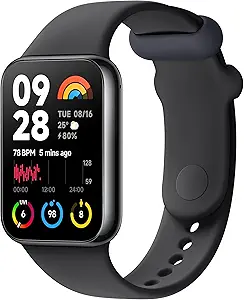
The Smart Band 8 Pro delivers exceptional battery performance, lasting up to 14 days with regular use. Its large AMOLED display improves readability, while built-in GPS adds value rarely found in this price range.
Tracking accuracy is solid, especially for daily activity and sleep. While the companion app is improving, it still lacks the depth of Fitbit or Garmin platforms.
Pros:
✅ Long battery life
✅ Built-in GPS
✅ Excellent price-to-feature ratio
Cons:
❌ App insights are less refined
Best for: Users who want long battery life without sacrificing features
3. Garmin Vivosmart 5 — Best for Athletes
Rating: 8.9 / 10
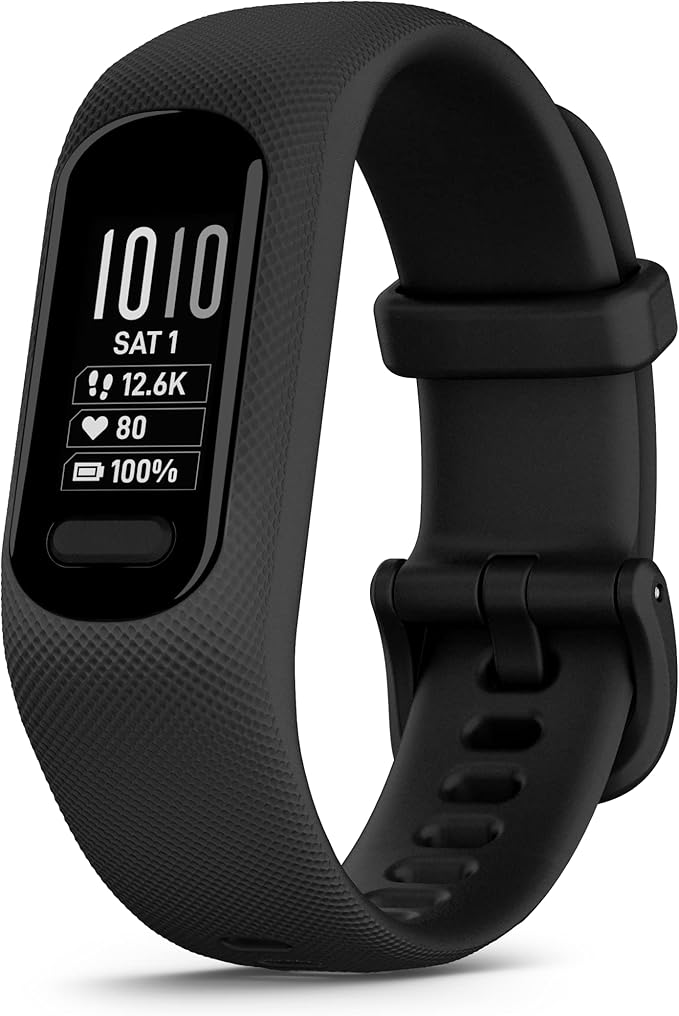
Garmin Vivosmart 5 focuses on performance, recovery, and readiness rather than flashy smart features. Metrics like Body Battery, stress tracking, and recovery insights are particularly valuable for serious trainees.
Although it lacks GPS, its health and recovery metrics integrate seamlessly into Garmin Connect, making it an excellent secondary device for athletes.
Pros:
✅ Excellent recovery metrics
✅ Strong training ecosystem
✅ Reliable heart-rate tracking
Cons:
❌ No GPS
❌ Small display
Best for: Performance-oriented users
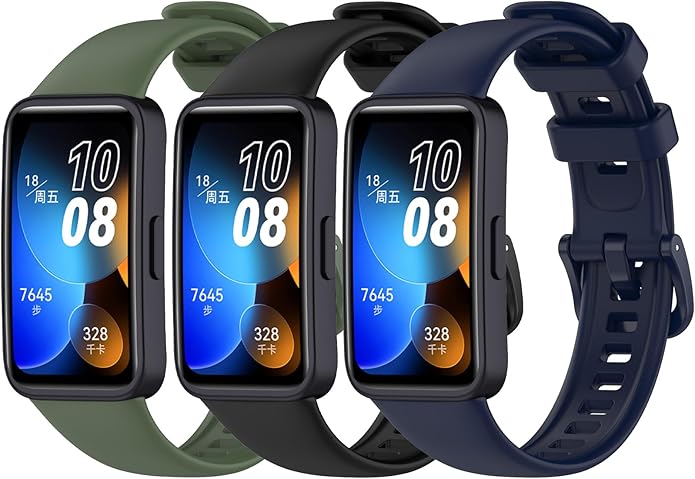
4. Huawei Band 8 — Best Sleep Tracking
Rating: 8.7 / 10
Huawei Band 8 stands out for its detailed and consistent sleep analysis. Sleep stages, breathing quality, and recovery scores are among the most accurate in this category.
The device is lightweight and comfortable, making it ideal for overnight wear.
Pros:
✅ Excellent sleep tracking
✅ Slim and lightweight
✅ Good battery life
Cons:
❌ Limited third-party integration
Best for: Users focused on sleep quality
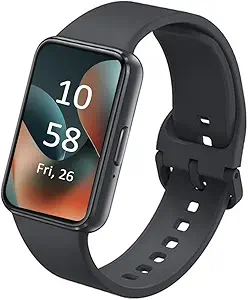
5. Samsung Galaxy Fit 3 — Best for Samsung Users
Rating: 8.6 / 10
Designed to work seamlessly with Samsung smartphones, Galaxy Fit 3 offers smooth UI, reliable tracking, and strong integration with Samsung Health.
While features are solid, users outside the Samsung ecosystem may not experience the same benefits.
Pros:
✅ Great integration with Samsung Health
✅ Bright display
✅ Comfortable design
Cons:
❌ Limited ecosystem benefits on non-Samsung devices
Best for: Samsung phone owners
6. Amazfit Band 7 — Best Display

Rating: 8.5 / 10
Amazfit Band 7 features a large, bright screen that makes stats easy to read during workouts. Battery life remains strong, and tracking accuracy is consistent for daily activity.
Pros:
✅ Large display
✅ Good battery life
✅ Wide workout support
Cons:
❌ App experience is average
Best for: Users who prioritize screen size
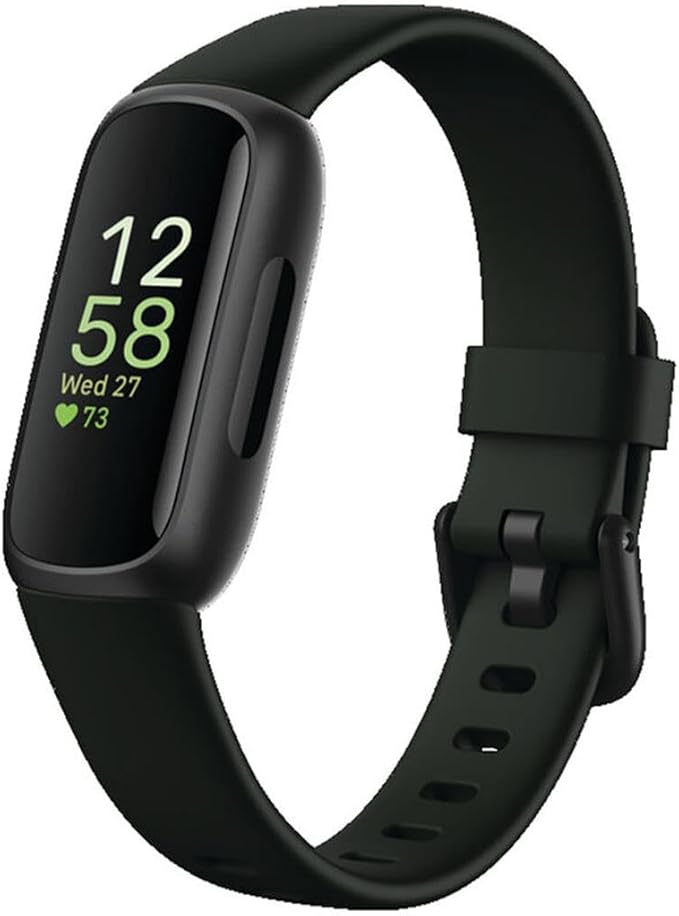
7. Fitbit Inspire 3 — Best for Beginners
Rating: 8.4 / 10
Lightweight, simple, and intuitive, Inspire 3 is ideal for first-time fitness tracker users. It covers all core metrics without overwhelming complexity.
Pros:
✅ Easy to use
✅ Accurate basics
✅ Comfortable
Cons:
❌ Limited advanced features
Best for: Beginners
8. XIAOMI Smart Band 9 — Best Comfort

Rating: 8.3 / 10
XIAOMI Smart Band 9 excels in comfort and design, making it easy to wear day and night. Tracking features are solid but less detailed than premium options.
Best for: Users prioritizing comfort
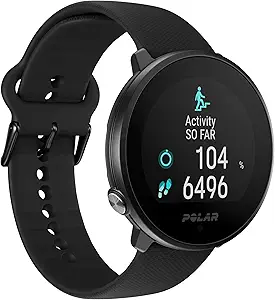
9. Polar Unite — Best for Recovery
Rating: 8.2 / 10
Polar Unite focuses on recovery, readiness, and guided workouts. It works best for users who value rest and training balance over smart features.
10. WHOOP 5.0/MG Activity Tracker — Best Entry-Level

Rating: 8.0 / 10
An affordable option for casual users who want basic activity and sleep tracking without advanced analytics.
Buyer’s Guide: How to Choose a Fitness Tracker
When choosing a fitness bracelet, focus on:
- Battery life (at least 7–10 days)
- Comfort for 24/7 wear
- App quality and insights
- Health metrics that match your goals
- Smartphone compatibility
Final Thoughts
Fitness trackers are most effective when worn consistently. The best device is not the one with the most features, but the one that fits your lifestyle, comfort preferences, and health goals.
Whether you’re optimizing sleep, tracking workouts, or building healthier habits, a well-chosen fitness wristband can become a powerful long-term tool for better health and performance.