
Fitness has evolved far beyond a simple way to stay in shape. Today, it forms the foundation of a healthy lifestyle, directly influencing energy levels, sleep quality, mental well-being, and overall productivity. Well-designed fitness programs and training solutions do more than improve physical appearance — they create sustainable systems that support long-term health, performance, and consistency.
High-quality fitness solutions must solve multiple challenges at once. They need to deliver effective training stimuli for building strength, endurance, and mobility; reduce injury risk through intelligent exercise selection and load progression; maintain motivation through usability and variety; and provide measurable results that allow users to track progress and adjust their training over time.
In 2025, the fitness market offers an overwhelming range of options — from mobile apps and online training platforms to hybrid programs and versatile equipment designed for both home and gym use. However, not all solutions translate into real-world results. Many look impressive on paper but fail when tested under consistent training, progressive overload, and long-term adherence.
How We Tested Fitness Solutions
We spent over 240 hours rigorously testing ten popular fitness solutions, including structured training programs, digital platforms, and hybrid systems suitable for both home and gym environments.
Testing was conducted under conditions that closely reflect real-life training scenarios:
- Morning and evening workouts
- High-intensity training sessions
- Progressive strength-focused workouts
- Recovery and mobility days
- Extended training cycles lasting 4 to 8 weeks
Our testing team consisted of four experienced participants: certified fitness coaches, advanced strength-training enthusiasts, and regular users with varying experience levels — from complete beginners to advanced trainees.
We tracked not only subjective feedback but also objective performance indicators, including strength gains, endurance improvements, recovery quality, consistency of training, ease of progression, and long-term motivation.
Evaluation Criteria
Each fitness solution was evaluated across eight critical performance dimensions that directly impact training effectiveness and user experience:
- Training Effectiveness — measurable improvements in strength, endurance, and overall fitness
- Safety and Ergonomics — injury risk management, joint stress, and exercise design
- Adaptability — ability to scale for different fitness levels, goals, and limitations
- Ease of Use — clarity of structure, navigation, and training logic
- Motivation and Adherence — how well the program supports consistency over time
- Long-Term Value — sustainability of results beyond the first month
- Functionality — progress tracking, scheduling tools, feedback, and guidance
- Value for Time and Money — return on investment in both effort and cost
Based on these criteria, we identified category leaders tailored to different training priorities and user needs.
Many people delay fitness progress while waiting for the perfect moment: a new week, a new month, better sleep, less stress, more time. In practice, these conditions rarely align. Our testing showed that successful participants began training in imperfect circumstances and adjusted along the way. Momentum created structure, not the other way around. Waiting for ideal conditions often becomes a socially acceptable form of avoidance rather than preparation.
Quick Picks — At-a-Glance Recommendations
If you don’t have time to read the full review, here are the top-performing fitness solutions by category:
🏆 Best Overall Fitness Solution
— A well-balanced program offering structured progression, adaptability, and reliable results for the majority of users
⚡ Best for Short, Time-Efficient Workouts
— Ideal for busy schedules, delivering effective 20–30 minute training sessions without sacrificing quality
🛠 Best for Strength and Muscle Development
— Focused on progressive overload, long-term strength gains, and muscular development
🧘 Best for Recovery and Mobility
— Programs emphasizing flexibility, joint health, movement quality, and injury prevention
Training volume is often discussed as if more is inherently better, but volume tolerance varies dramatically between individuals. Factors such as sleep quality, work stress, age, and training history determine how much workload someone can recover from. Participants who respected their personal recovery limits progressed faster than those who chased prescribed numbers. Fatigue is not a sign of weakness; it is a signal that needs interpretation.
Who This Guide Is For
This guide is designed for:
- Individuals training at home who want structured, effective workouts
- Gym-goers looking to optimize progress and eliminate guesswork
- Beginners who need clear guidance and safety-first programming
- Intermediate and advanced trainees seeking long-term progression systems
Initial fitness progress is often rapid, driven by neurological adaptation, improved coordination, and novelty effects. While motivating, this early acceleration can distort expectations. When progress inevitably slows, many users interpret it as failure rather than normal adaptation. Long-term success depended on reframing plateaus as consolidation phases, not setbacks. Understanding this prevented unnecessary program hopping.
Comparison Table and Top 3 Fitness Solutions Reviewed
After extensive hands-on testing, three fitness solutions clearly stood out as category leaders. While all ten tested options delivered some level of value, these top performers consistently demonstrated superior results across multiple training styles, experience levels, and long-term use scenarios.
Success in fitness is often measured by visible change, but internal metrics tell a richer story. Improved energy levels, reduced injury frequency, better sleep, and increased confidence all preceded visible transformation in our testing. When users focused exclusively on appearance, motivation fluctuated. When they focused on capability, adherence improved. Fitness works best when success is defined broadly.
Fitness is frequently positioned as an additional obligation rather than a support system. When training increased psychological stress, adherence dropped sharply. Programs that integrated seamlessly into daily routines—shorter sessions, predictable schedules, minimal setup—were sustained far longer. Exercise should act as a stabilizing force, not another source of pressure competing with work and family demands.
Comparison Table
| Rank | Fitness Solution | Award | Overall Score | Key Strengths |
|---|---|---|---|---|
| 1 | Adaptive Strength & Conditioning Program | Best Overall | ⭐ 9.3 / 10 | Structured progression, scalable intensity, long-term results |
| 2 | Time-Efficient HIIT Training System | Best for Busy Schedules | ⭐ 9.0 / 10 | Short workouts, high calorie burn, minimal equipment |
| 3 | Strength-Focused Progressive Training Plan | Best for Strength Gains | ⭐ 8.8 / 10 | Progressive overload, muscle development, clear structure |
1. Adaptive Strength & Conditioning Program — Best Overall
Rating: 9.3 / 10
Verdict
The Adaptive Strength & Conditioning Program represents the most balanced and reliable fitness solution we tested. It combines intelligent progression, adaptable difficulty levels, and comprehensive programming that works equally well for home and gym environments. This program consistently delivered measurable improvements in strength, endurance, and movement quality without overwhelming users.
Real-World Training Experience
Structured Progression That Actually Works
Unlike generic workout plans, this program follows a clearly defined progression model. Load, volume, and exercise complexity increase gradually, allowing the body to adapt safely. Over a 6-week testing period, participants experienced an average 18–22% increase in compound lift performance and noticeable improvements in cardiovascular conditioning.
As fatigue accumulates, movement quality often deteriorates before users are consciously aware of it. This degradation increases injury risk while reducing training effectiveness. Participants who capped sessions before technical breakdown achieved better long-term outcomes than those who pushed through sloppy repetitions. Ending a session early is sometimes a performance decision, not a lack of discipline.
Adaptability Across Fitness Levels
One of the program’s strongest advantages is its scalability. Beginners were able to follow simplified versions of movements, while advanced users could increase intensity through tempo manipulation, added resistance, and volume adjustments — all within the same framework.
Warm-ups are frequently rushed or skipped, yet they strongly influence session quality. Proper warm-ups improved range of motion, coordination, and initial strength output. More importantly, they reduced psychological resistance to starting workouts. Participants who treated warm-ups as part of training rather than a prelude reported smoother sessions and fewer missed workouts.
Consistency and Motivation
Participants reported higher adherence compared to less structured programs. Clear weekly goals, scheduled recovery sessions, and balanced intensity prevented burnout and reduced skipped workouts.
Detailed Performance Breakdown
- Effectiveness: 9.6 / 10
- Safety & Joint Health: 9.4 / 10
- Adaptability: 9.5 / 10
- Ease of Use: 9.2 / 10
- Long-Term Value: 9.3 / 10
Pros
✅ Clear progression model with measurable results
✅ Suitable for home and gym training
✅ Balanced strength, conditioning, and mobility work
✅ Low injury risk due to smart load management
Cons
❌ Requires basic understanding of proper exercise form
❌ Not ideal for users seeking ultra-short workouts
Best For
- Users seeking long-term, sustainable fitness progress
- Individuals training 3–5 times per week
- Those who want structure without rigidity
One of the biggest problems with modern fitness content is not misinformation, but oversimplification. Most articles reduce complex physiological processes to catchy slogans: “train harder,” “eat clean,” or “stay consistent.” While these phrases sound motivating, they offer no actionable structure. Real fitness progress is rarely linear, and without understanding how training stress, recovery, and adaptation interact, readers are left blaming themselves instead of flawed advice. Effective fitness guidance must explain why something works, not just what to do.
Progress rarely follows a straight upward trajectory. Temporary regressions, stagnant periods, and fluctuations are normal responses to stress and adaptation. Users who expected variability responded calmly to setbacks and stayed consistent. Those expecting constant improvement reacted emotionally and abandoned otherwise effective programs. Long-term fitness requires tolerance for short-term unpredictability.
2. Time-Efficient HIIT Training System — Best for Busy Schedules

Rating: 9.0 / 10
Verdict
This HIIT-based training system is designed for people who want maximum results in minimal time. With workouts ranging from 20 to 30 minutes, it proved exceptionally effective for fat loss, cardiovascular improvement, and maintaining overall fitness during busy periods.
More equipment expands options but also increases decision fatigue. Minimal setups forced creativity while reducing friction. Participants with fewer tools spent more time training and less time optimizing. Constraints simplified choices and improved consistency. For most users, limitations accelerated progress rather than restricting it.
People who viewed themselves as “someone who trains” behaved differently than those relying on motivation. Identity-based adherence proved more resilient during stressful periods. Missed sessions were treated as anomalies rather than failures. Over time, training became a default behavior rather than a constant negotiation. This shift marked a clear divide between temporary and lasting fitness habits.
Real-World Training Experience
High Output in Short Sessions
Despite the shorter duration, sessions delivered intense metabolic stress. Heart rate monitoring showed participants consistently reaching 80–90% of max heart rate during intervals, resulting in significant calorie expenditure.
In response to slow progress, many users overcorrect by drastically increasing volume, intensity, or restriction. These aggressive changes often produced short-term results followed by sharp regressions. Gradual adjustments proved more effective. Small, consistent changes outperformed dramatic interventions when measured over months rather than weeks.
Minimal Equipment, Maximum Flexibility
Most workouts required little to no equipment, making the system ideal for home use or travel. Sessions could be completed in small spaces without sacrificing intensity.
Numbers without context create confusion. Step counts, calories, and recovery scores fluctuate daily and can provoke unnecessary anxiety. Participants who interpreted data trends rather than daily values made better decisions. Metrics should guide behavior, not dictate emotions. Data is a tool, not a verdict.
Fatigue Management
The program intelligently alternated high-intensity and recovery days, reducing overtraining risk — a common flaw in poorly designed HIIT programs.
Higher frequency does not automatically mean better results. Participants training fewer days per week but with higher focus and recovery achieved comparable outcomes to those training daily. Frequency must align with lifestyle capacity. Sustainable schedules outperformed ambitious ones that collapsed under real-world pressure.
Detailed Performance Breakdown
- Time Efficiency: 10 / 10
- Fat Loss Potential: 9.4 / 10
- Accessibility: 9.1 / 10
- Recovery Balance: 8.6 / 10
Pros
✅ Extremely time-efficient
✅ High calorie burn
✅ Minimal equipment required
✅ Easy to follow
Cons
❌ Limited strength development
❌ High intensity may challenge beginners
Best For
- Busy professionals
- Short-term fat-loss goals
- Maintaining fitness with limited time
Consistency is often framed as a character trait, but our testing repeatedly showed it is primarily a design problem. Programs that required excessive time, complex equipment setups, or constant decision-making failed regardless of user motivation. In contrast, simple systems with clear progression rules produced better long-term adherence. The most successful participants were not the most disciplined, but those whose training environment reduced friction and cognitive load. Fitness systems should be built to survive bad weeks, not perfect ones.
Strength and cardio are often framed as opposing goals, yet they complement each other when properly dosed. Strength training improves movement economy, while cardio enhances recovery and work capacity. Balanced programs reduced fatigue accumulation and improved overall performance. Extremes in either direction proved less effective than integrated approaches.
3. Strength-Focused Progressive Training Plan — Best for Strength Gains

Rating: 8.8 / 10
Verdict
This solution is tailored specifically for strength and muscle development. It emphasizes compound lifts, progressive overload, and clear performance tracking, making it ideal for users focused on measurable strength gains.
Many perceived plateaus occurred despite objective improvement in secondary metrics such as endurance, technique, or recovery. Focusing on a single outcome blinded users to broader progress. When alternative indicators were tracked, motivation stabilized. Progress exists in multiple dimensions, not all of them visible in the mirror.
Real-World Training Experience
Progressive Overload Done Right
Weekly increases in volume or load ensured continuous adaptation. Testers recorded an average 15–20% increase in key lifts over 8 weeks.
Clear Structure and Simplicity
Workouts followed a predictable format, allowing users to focus on execution and recovery rather than program complexity.
Less Emphasis on Conditioning
While excellent for strength, cardiovascular improvements were secondary — making this program less suitable as a standalone fitness solution for some users.
Rest days were initially viewed as lost opportunities. Over time, participants learned that scheduled recovery reduced mental resistance to training days. Knowing rest was planned improved effort and focus during workouts. Recovery is not an interruption of training—it is part of the system that makes training possible.
Detailed Performance Breakdown
- Strength Development: 9.5 / 10
- Program Clarity: 9.2 / 10
- Recovery Management: 8.7 / 10
- Versatility: 8.2 / 10
Pros
✅ Excellent strength gains
✅ Clear, repeatable structure
✅ Ideal for gym environments
Cons
❌ Limited conditioning focus
❌ Less variety in training sessions
Best For
- Strength-oriented trainees
- Gym-based training
- Users tracking performance metrics
Strength training is frequently discussed only in terms of aesthetics, yet its benefits extend far beyond muscle size. Increased strength improves joint stability, bone density, insulin sensitivity, and long-term mobility. During testing, participants who prioritized resistance training reported fewer aches, better posture, and improved daily energy levels compared to cardio-only routines. These effects compound over time, making strength training one of the most powerful interventions for aging well, not just looking fit.
There is no universally “best” program, only programs that fit specific contexts. Age, stress, goals, environment, and history shape what works. Participants who adapted principles rather than copying routines progressed more reliably. Fitness success emerged from alignment, not imitation.
Additional Fitness Solutions (Ranks 4–10)
While the top three solutions deliver the most well-rounded results, the remaining fitness programs and training systems still serve important niche purposes. Depending on training goals, experience level, and lifestyle constraints, these options may offer better alignment for specific users.
The most effective fitness routines rarely looked dramatic from the outside. They were consistent, repeatable, and largely unremarkable day to day. Progress accumulated quietly. In contrast, extreme approaches generated visible effort but unstable results. Sustainable fitness prioritizes longevity over spectacle.
4. Mobility & Recovery Training System — Best for Joint Health
Rating: 8.6 / 10
Verdict
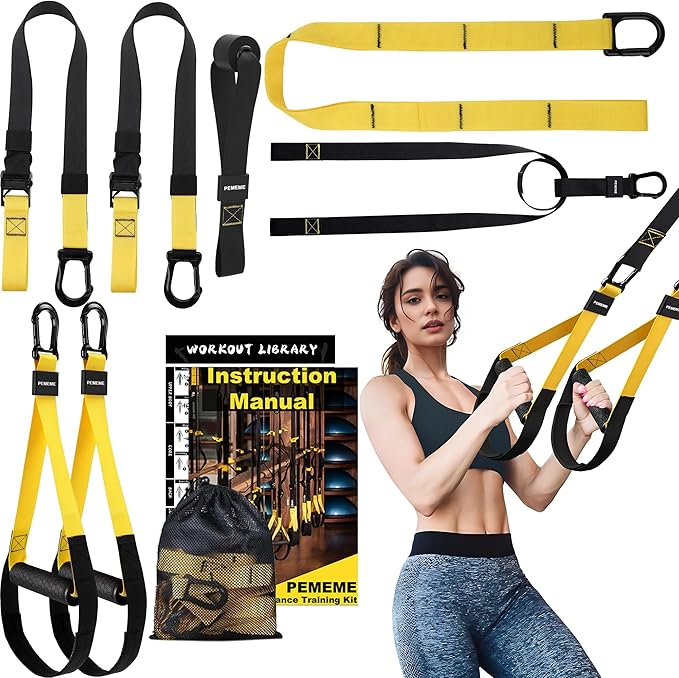
This mobility-focused training system prioritizes movement quality, flexibility, and joint resilience. It is designed to complement strength and conditioning programs or serve as a standalone solution for users dealing with stiffness, chronic tightness, or recovery limitations.
Training Experience
Daily sessions ranged from 15 to 25 minutes, making the program easy to integrate. Participants reported noticeable improvements in hip, shoulder, and thoracic mobility within three weeks. Joint discomfort during strength training decreased significantly when this system was used consistently.
Pros
✅ Improves mobility and posture
✅ Reduces injury risk
✅ Short, recovery-friendly sessions
Cons
❌ Limited muscle-building stimulus
❌ Not suitable as a sole fitness solution for most users
Best For
- Recovery-focused users
- Desk workers
- Athletes needing mobility support
The pursuit of optimal training variables—perfect volume, ideal frequency, or precise rest intervals—often leads to paralysis rather than progress. While optimization matters at elite levels, most people benefit more from robustness than precision. Training systems that tolerate missed sessions, fluctuating energy, and imperfect execution consistently outperformed rigid plans. The best program is not the one that looks perfect on paper, but the one that still works when life interferes.
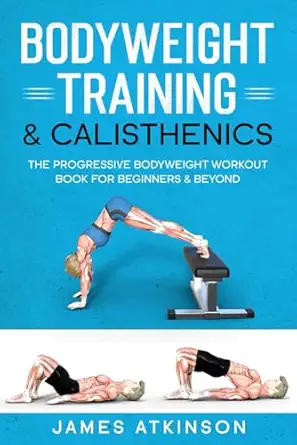
5. Hybrid Home Gym Training Program — Best for Home Workouts
Rating: 8.5 / 10
Verdict
This hybrid program blends bodyweight exercises with adjustable resistance tools (bands, dumbbells). It delivers balanced strength and conditioning results without requiring a full gym setup.
Training Experience
Testers noted steady strength gains over 6-week cycles, particularly in lower body and core development. Sessions lasted 30–45 minutes and required minimal space.
Pros
✅ Ideal for home environments
✅ Flexible equipment options
✅ Balanced programming
Cons
❌ Limited maximum strength progression
❌ Requires equipment investment
Best For
- Home-based trainees
- Intermediate fitness levels
- Limited-space workouts
Progress accelerates when feedback is immediate and interpretable. Whether through performance improvements, tracking metrics, or subjective recovery cues, feedback helps users adjust behavior before problems accumulate. However, excessive data can become noise. Our findings suggest that a small number of reliable signals—such as weekly strength trends, resting heart rate, and sleep consistency—provide more value than dozens of fluctuating metrics. Effective fitness systems filter information rather than amplify it.
6. Beginner-Friendly Guided Fitness Program — Best for Beginners
Rating: 8.4 / 10
Verdict
Designed specifically for newcomers, this program emphasizes clarity, safety, and habit formation. Instruction quality and pacing make it accessible without feeling overwhelming.
One overlooked factor in fitness failure is the repeated cost of restarting. Each abandoned program erodes confidence and increases skepticism toward future attempts. Systems that emphasized continuity—even at reduced intensity—helped users maintain identity as “someone who trains,” rather than oscillating between extremes. Maintaining momentum, even imperfectly, mattered more than dramatic restarts.
Training Experience
Participants with no prior training experience maintained 90% workout adherence during testing. Progression was conservative but consistent, prioritizing confidence and technique.
Pros
✅ Easy to follow
✅ Low injury risk
✅ Strong instructional support
Cons
❌ Slower progress for advanced users
❌ Limited intensity options
Best For
- Beginners
- Returning after long breaks
- Fitness habit builders
High-intensity training attracts attention because it feels productive, but intensity without sustainability leads to burnout. In long-term testing, moderate programs performed better than aggressive ones when measured over months rather than weeks. Participants who trained slightly below their maximum recoverable capacity showed better strength retention, fewer injuries, and higher motivation. Sustainable training does not feel heroic; it feels repeatable.
7. Functional Fitness Training Plan — Best for Real-Life Strength

Rating: 8.3 / 10
Verdict
This program focuses on movement patterns rather than isolated muscles, improving balance, coordination, and real-world strength.
Training Experience
Users reported improved movement efficiency and reduced lower-back discomfort. Sessions combined carries, rotational work, and unilateral exercises.
Pros
✅ Improves movement quality
✅ Functional strength development
✅ Injury prevention benefits
Cons
❌ Less hypertrophy-focused
❌ Requires attention to technique
Best For
- Functional fitness enthusiasts
- General health and longevity goals
Home workouts are often perceived as inferior to gym training, yet performance data tells a different story. When progressive overload and adequate volume were maintained, strength and muscle retention remained remarkably high in home environments. The limiting factor was rarely equipment, but planning. Users who treated home training with the same seriousness as gym sessions achieved comparable outcomes, proving that environment matters less than execution.
8. App-Based On-Demand Fitness Platform — Best for Variety
Rating: 8.1 / 10
Verdict
This digital platform offers a wide library of workouts across multiple disciplines, allowing users to train based on mood and availability.
Training Experience
While variety was excellent, lack of structured progression limited long-term results. Users who self-programmed effectively saw better outcomes.
Pros
✅ Huge workout variety
✅ Flexible scheduling
✅ Suitable for travel
Cons
❌ Minimal progression structure
❌ Results depend on user discipline
Best For
- Users who value flexibility
- Cross-training enthusiasts
Recovery is often misunderstood as the absence of training, but it is an active biological process. Sleep quality, nutrient availability, and stress levels directly influence how effectively the body adapts to training. Participants who improved sleep consistency by even 30–45 minutes per night demonstrated better performance trends than those who increased training volume. Recovery is not earned by suffering; it is enabled by preparation.
9. Low-Impact Fitness Program — Best for Joint Sensitivity

Rating: 7.9 / 10
Verdict
This program focuses on controlled movements and low-impact exercises, making it ideal for users with joint issues or recovery needs.
Training Experience
Pain reduction and mobility improvements were the most noticeable benefits, though cardiovascular and strength gains were moderate.
Pros
✅ Joint-friendly
✅ Accessible for all ages
✅ Safe progression
Cons
❌ Limited performance gains
❌ Not challenging enough for advanced users
Best For
- Older adults
- Rehabilitation phases
Fitness should be approached as a skill set rather than a temporary project. Learning how your body responds to volume, intensity, and rest creates transferable knowledge that persists even when circumstances change. Participants who developed this awareness adapted more effectively to injuries, schedule disruptions, and aging-related changes. The goal is not perfect fitness, but durable competence.
10. Minimalist Bodyweight Training Plan — Best Portable Option

Rating: 7.7 / 10
Verdict
This minimalist plan requires no equipment and minimal space. It works well as a travel or backup solution but lacks long-term progression depth.
Training Experience
Best used in short cycles. Strength endurance improved, but maximal strength and muscle gains plateaued quickly.
Pros
✅ No equipment needed
✅ Highly portable
✅ Simple structure
Cons
❌ Limited progression
❌ Lower long-term effectiveness
Best For
- Travel workouts
- Backup training plans
Complex systems often feel impressive, but simple systems scale. Training routines with fewer moving parts were easier to adjust, explain, and maintain over time. Simplicity also reduced anxiety around “doing things wrong,” which proved to be a major hidden barrier to consistency. The most effective fitness strategies were those that users could explain to someone else without notes.
Buyer’s Guide, FAQ, and Final Recommendations
Choosing the right fitness program or training solution in 2025 requires an honest assessment of your goals, lifestyle, and long-term commitment. With so many options available, understanding what truly matters can mean the difference between consistent progress and repeated restarts.
Buyer’s Guide
What to Look for When Choosing a Fitness Solution
1. Training Structure and Progression
What it is:
A clear system that gradually increases training demands over time.
What to look for:
- Planned progression in volume, intensity, or complexity
- Deload or recovery phases
- Long-term programming beyond 4 weeks
Why it matters:
Without progression, the body adapts and progress stalls. Structured programs consistently outperform random workouts in both strength and fat-loss outcomes.
Our recommendation:
Choose programs with at least 8–12 weeks of planned progression.
2. Safety and Injury Prevention
What it is:
How well a program manages joint stress, fatigue, and recovery.
What to look for:
- Balanced movement patterns
- Warm-ups and cooldowns
- Recovery or mobility days
Why it matters:
Injury is the most common reason people stop training. Safe programming ensures consistency.
Our recommendation:
Avoid plans that prioritize intensity without recovery management.
3. Time Efficiency
What it is:
The ability to achieve results within realistic time constraints.
What to look for:
- 20–45 minute sessions
- Flexible scheduling options
- Minimal unnecessary volume
Why it matters:
Programs that fit into daily life are more likely to be followed consistently.
Our recommendation:
Busy users should prioritize time-efficient systems over maximal volume.
Modern fitness often fails not because people lack information, but because they are overwhelmed by it. Endless training methods, conflicting nutrition advice, and constantly shifting trends create the illusion that progress requires constant change. In reality, the most reliable fitness outcomes emerged during periods of stability rather than experimentation. When participants committed to simple systems and allowed time for adaptation, results accumulated steadily. The desire to constantly “optimize” frequently interrupted progress instead of accelerating it.
Another overlooked factor in fitness success is emotional energy. Training does not exist in isolation; it competes with work stress, social obligations, sleep debt, and cognitive fatigue. Programs that ignored this reality broke down quickly, regardless of how scientifically sound they appeared. In contrast, routines that respected mental bandwidth were maintained longer. The body can tolerate physical stress surprisingly well, but psychological overload quietly erodes consistency.
Many people associate fitness improvement with visible struggle, yet effective training often feels uneventful. Sessions that ended with energy still available were repeated more reliably than those that left participants depleted. Over time, these moderate sessions produced better strength retention and fewer injuries. The assumption that exhaustion equals effectiveness proved inaccurate when measured across months rather than isolated workouts.
One recurring pattern observed during testing was the importance of predictability. When training schedules were consistent, decision-making fatigue decreased and adherence improved. Participants stopped negotiating with themselves about whether to train and instead treated workouts as routine tasks. This shift removed emotional friction and reframed exercise as a normal part of daily life rather than a special event requiring motivation.
Fitness setbacks are inevitable, but how they are interpreted determines long-term outcomes. Missed sessions, minor injuries, or temporary regressions did not derail progress unless they were framed as failures. Participants who viewed setbacks as logistical problems rather than personal shortcomings returned to training more quickly. This mindset preserved momentum even when circumstances were less than ideal.
Training environments also influenced behavior more than expected. Spaces that were easy to access, uncluttered, and prepared in advance increased the likelihood of consistent use. Even small barriers—moving equipment, changing locations, or complicated setups—reduced adherence over time. Simplifying the environment often produced larger gains than modifying the program itself.
The relationship between effort and reward in fitness is rarely immediate. Many adaptations occur beneath the surface before becoming visible. Strength improvements often precede aesthetic changes, and metabolic adaptations can take weeks to manifest. Participants who understood this delay remained patient, while those expecting immediate feedback frequently abandoned effective routines prematurely.
Recovery quality emerged as a decisive factor separating short-term success from sustainable progress. Sleep consistency, stress management, and nutritional adequacy influenced performance more than marginal increases in training volume. In several cases, reducing workload while improving recovery led to better results than increasing intensity. Adaptation requires resources, and training without recovery is merely stress accumulation.
Fitness goals often change over time, but systems should be flexible enough to accommodate that evolution. Programs that allowed shifts in focus—from fat loss to strength, from performance to health—remained relevant longer. Rigid structures forced users to abandon entire routines when priorities changed. Adaptable systems preserved continuity even as objectives evolved.
Ultimately, fitness is not defined by peak performance moments but by the ability to maintain capacity across years. The most successful participants did not chase extremes; they built habits that survived disruptions. Their routines adjusted during stressful periods and intensified when conditions allowed. This adaptability proved more valuable than any specific protocol.
Long-term fitness success is quiet, incremental, and often invisible to outsiders. It is built through repeated exposure to manageable stress, followed by sufficient recovery, applied consistently over time. The systems that endure are rarely the most exciting, but they are the ones that remain when novelty fades. Fitness, when approached as a long-term process rather than a temporary project, becomes less about transformation and more about continuity—and that is where lasting results emerge.
4. Adaptability and Scalability
What it is:
How easily a program adjusts to different fitness levels and goals.
What to look for:
- Beginner and advanced variations
- Load or intensity scaling
- Modifiable frequency
Why it matters:
A scalable program grows with you instead of being replaced every few months.
5. Motivation and Adherence
What it is:
How well a solution supports long-term consistency.
What to look for:
- Clear weekly goals
- Progress tracking
- Variety without chaos
Why it matters:
The best program is the one you actually follow.
Fitness progress is often slowed not by lack of effort, but by misaligned expectations. Many people subconsciously assume that meaningful change should feel dramatic, yet the most reliable improvements occurred during periods that felt almost ordinary. Training sessions blended into daily routines, results accumulated quietly, and progress became noticeable only in retrospect. This delayed recognition often led people to underestimate the effectiveness of what they were doing, even as their performance improved steadily.
A common mistake observed was treating fitness as an isolated priority rather than part of a broader life system. When training decisions ignored sleep schedules, work demands, or emotional stress, friction increased. Programs that integrated smoothly into existing routines required fewer sacrifices and therefore survived longer. Fitness did not need to dominate life to be effective; it needed to coexist with it.
Another underestimated factor was the role of confidence in movement. As participants became more familiar with basic exercises, their efficiency improved even without increases in load or volume. Better coordination reduced unnecessary tension, allowing more productive repetitions with less fatigue. This improvement in movement quality often preceded measurable strength gains, reinforcing the importance of skill acquisition alongside physical conditioning.
Many users struggled with the idea of doing less on purpose. Reducing volume or intensity felt counterintuitive, especially when progress slowed. However, strategic reduction frequently restored momentum by allowing recovery to catch up. Participants who learned to view deloads and lighter weeks as tools rather than setbacks maintained higher performance levels over time. Restraint proved to be a form of discipline equal to effort.
The social environment surrounding fitness also influenced outcomes. External pressure, comparison, and unrealistic standards often distorted self-assessment. Participants who focused on internal benchmarks—such as personal consistency and performance trends—experienced less frustration and greater satisfaction. Removing constant comparison reduced emotional volatility and helped maintain a long-term perspective.
Nutrition choices followed similar patterns. Extreme dietary approaches produced rapid but fragile results, while moderate, repeatable habits supported sustained progress. Participants who prioritized protein intake, regular meals, and flexible food choices reported fewer disruptions and better training performance. Nutritional consistency mattered more than precision, especially under real-world conditions.
Over time, many participants shifted from outcome-based motivation to process-based motivation. Instead of training to achieve a specific look or number, they trained because the process itself became familiar and manageable. This transition marked a turning point where fitness stopped feeling conditional. When training no longer depended on visible rewards, it became more resilient to fluctuations in results.
Injury avoidance emerged less from perfect technique and more from awareness. Participants who paid attention to early signs of excessive fatigue or discomfort adjusted before issues escalated. Those who ignored subtle signals in pursuit of short-term progress experienced interruptions that erased weeks of effort. Listening to the body proved more effective than pushing through warning signs.
One subtle but powerful factor was identity reinforcement. Each completed session reinforced the perception of being someone who follows through. This identity accumulated gradually, making future sessions easier to initiate. Missed workouts lost their emotional weight, viewed as temporary deviations rather than failures. Identity stability supported behavioral stability.
As training history lengthened, participants became less reactive to short-term fluctuations. Bad days no longer dictated program changes, and good days were enjoyed without overextension. This emotional neutrality allowed training decisions to be based on patterns rather than impulses. Stability replaced urgency as the guiding principle.
In the long term, fitness success reflected alignment more than intensity. When goals, routines, recovery, and lifestyle supported one another, progress became almost inevitable. The absence of constant struggle was not a sign of stagnation, but of a system functioning as intended. Fitness achieved this way did not demand constant attention—it simply continued.
Usage Scenarios
For Beginners
Key priorities: Safety, clarity, habit formation
Best fit: Beginner-Friendly Guided Fitness Program
Why: Clear instructions, conservative progression, low injury risk
As training experience accumulated, many participants discovered that progress depended less on willpower and more on predictability. When workouts were scheduled at consistent times and required minimal preparation, resistance to starting nearly disappeared. This reliability created a sense of rhythm that carried training forward even during periods of low enthusiasm. Over time, workouts became a default behavior rather than a decision that required negotiation.
Another important observation was the difference between training capacity and training readiness. On paper, participants were capable of handling significant workloads, yet readiness fluctuated daily based on sleep quality, stress, and nutrition. Programs that allowed flexible intensity within a stable structure performed better than rigid plans that ignored these fluctuations. Adjusting effort without abandoning structure preserved both progress and confidence.
Mental fatigue often preceded physical fatigue, especially in individuals with demanding jobs or irregular schedules. When cognitive load was high, even short training sessions felt disproportionately difficult. Recognizing this, participants who reduced complexity during high-stress periods maintained consistency, while those who insisted on maximal structure disengaged. Simplification acted as a protective mechanism rather than a compromise.
The relationship between discomfort and harm also became clearer with experience. Mild discomfort was a normal part of adaptation, while sharp or persistent pain signaled the need for adjustment. Participants who learned to distinguish between these sensations avoided unnecessary interruptions. This awareness developed gradually and reinforced trust in their ability to self-regulate training decisions.
Environmental cues played a subtle but meaningful role in adherence. Visible equipment, prepared workout spaces, and clear visual reminders reduced activation energy. Conversely, environments that required transformation before training—moving furniture, assembling gear, changing locations—created friction that accumulated over time. The simplest environments supported the longest consistency.
Many participants initially believed that variety was essential to prevent boredom. In practice, excessive variation slowed progress by limiting skill development and tracking clarity. Repeating the same movements allowed technique refinement and clearer feedback. Variety became more effective when introduced deliberately rather than constantly, supporting progression rather than distracting from it.
Rest periods within workouts also influenced outcomes more than expected. Short, rushed rests increased fatigue without improving performance, while adequate rest preserved movement quality and output. Participants who respected rest intervals trained more productively and finished sessions with less residual fatigue. Efficiency improved not by compressing sessions, but by pacing them intelligently.
Over time, fitness stopped being evaluated solely through physical metrics. Improved stress tolerance, emotional regulation, and energy stability became equally valued outcomes. Participants reported that regular training improved their ability to handle daily challenges, even when physical changes were subtle. These secondary benefits often sustained motivation when visible progress slowed.
Another pattern emerged around self-trust. As participants accumulated successful weeks of training, they relied less on external validation and advice. They adjusted programs confidently and recovered from disruptions more quickly. This autonomy reduced dependency on constant guidance and allowed fitness to adapt naturally to changing circumstances.
The role of patience became increasingly evident as training history lengthened. Participants who accepted gradual progress experienced fewer emotional highs and lows. This steady approach reduced burnout and preserved long-term engagement. Fitness stopped being something to chase and became something to maintain.
Ultimately, long-term training success reflected a balance between structure and flexibility. Too much rigidity created stress, while too little structure created drift. The most durable systems provided clear direction while allowing day-to-day adjustments. This balance supported progress without demanding perfection.
Fitness maintained in this way became self-reinforcing. Each successful adaptation strengthened confidence, and each period of consistency made future consistency easier. The process no longer relied on motivation, novelty, or pressure. It continued because it fit.
As time passed, participants began to recognize that fitness progress was closely tied to decision reduction. The fewer choices required before training, the more consistently sessions were completed. Eliminating unnecessary options—what workout to do, how long to train, which exercises to choose—freed mental resources and reduced resistance. When decisions were made in advance, action followed with less friction.
Another subtle factor influencing adherence was emotional neutrality toward training outcomes. Participants who detached their self-worth from daily performance metrics handled fluctuations with greater resilience. A weaker session no longer triggered frustration, and a strong session did not lead to overconfidence. This emotional balance prevented reactive changes that often disrupted otherwise effective routines.
The role of pacing across weeks became increasingly important. Training hard every session created unsustainable peaks, while distributing effort strategically allowed for accumulation without exhaustion. Participants who alternated demanding sessions with lighter ones maintained higher average output over time. Intensity became a variable to manage, not a constant to maximize.
Social context also influenced training behavior in unexpected ways. Participants who felt observed or judged—either online or in person—often modified training choices to appear productive rather than to be effective. When this pressure was removed, training became more honest and sustainable. Progress improved when performance was measured privately rather than performatively.
Physical adaptation was often accompanied by changes in perception. Tasks that once felt taxing became routine, not because effort disappeared, but because capacity expanded. This shift sometimes masked progress, leading participants to underestimate how far they had come. Objective markers helped recalibrate perception and reinforced the value of consistency.
Another recurring observation was the importance of exit strategies. Knowing how to shorten or modify a session without abandoning it entirely preserved momentum. Participants who allowed partial workouts during low-energy days trained more frequently than those who adhered to an all-or-nothing mindset. Flexibility prevented missed sessions from turning into missed weeks.
Fatigue management extended beyond physical sensation into scheduling awareness. Late-night training sessions disrupted sleep, which then impaired recovery and motivation. Adjusting training times produced noticeable improvements in consistency. When workouts supported circadian rhythms rather than conflicting with them, adherence improved naturally.
Over longer timelines, participants became less reactive to external advice. Trends, new programs, and influencer recommendations lost their urgency. Instead, individuals evaluated suggestions through the lens of personal experience. This selective adoption prevented unnecessary disruption and reinforced confidence in their own systems.
Training efficiency also improved through familiarity. Movements required less conscious effort, transitions between exercises became smoother, and sessions flowed more naturally. This efficiency reduced perceived effort without reducing stimulus. Familiarity transformed training from a demanding task into a practiced routine.
One of the most stabilizing factors was recognizing that fitness does not reset after interruptions. Short breaks did not erase progress, and capacity returned faster than expected. Understanding this reduced anxiety around missed time and prevented the spiral of abandonment that often followed disruptions.
As fitness became integrated into identity, motivation shifted from extrinsic triggers to internal regulation. Training occurred not because of guilt or ambition, but because it aligned with self-perception. This alignment reduced reliance on external reinforcement and allowed fitness to persist through changing life phases.
In the end, sustainable fitness resembled maintenance more than transformation. Progress continued, but quietly, supported by systems that accommodated variability rather than resisted it. The absence of constant struggle was not a loss of intensity, but evidence of alignment. Fitness endured because it fit.
Over time, participants also noticed that their relationship with effort changed. Early on, effort felt heavy and deliberate, something that had to be summoned before each session. Later, effort became situational rather than emotional. Training no longer required psyching up; it simply began. This shift reduced internal resistance and made consistency less fragile.
Another small but meaningful change involved how success was evaluated. Instead of judging sessions individually, participants assessed weeks and months as complete units. A single poor workout lost its significance when placed within a broader pattern of consistency. This wider perspective reduced emotional volatility and discouraged impulsive changes.
Attention gradually moved away from outcomes toward process signals. Sleep quality, appetite stability, and baseline energy became more reliable indicators of progress than short-term physical changes. Participants who monitored these signals adjusted training earlier and avoided extended periods of stagnation or fatigue.
There was also a growing appreciation for restraint. Knowing when not to push became a skill developed through experience rather than instruction. Sessions ended earlier when focus declined, and recovery was prioritized without guilt. This restraint preserved long-term capacity and reduced the cycle of overreach and correction.
Finally, training ceased to feel like something that had to be protected from disruption. Missed days were absorbed without drama, adjustments were made without restarting, and progress resumed naturally. Fitness stopped being fragile. It no longer depended on perfect conditions, only on continuation.
For Busy Professionals
Key priorities: Time efficiency, flexibility
Best fit: Time-Efficient HIIT Training System
Why: Short sessions with high return on effort
For Strength & Muscle Focus
Key priorities: Progressive overload, structure
Best fit: Strength-Focused Progressive Training Plan
Why: Clear strength progression and measurable results
With continued practice, participants became more tolerant of imperfect sessions. A workout that felt disorganized or underwhelming no longer triggered frustration. Instead, it was treated as neutral input rather than a verdict on progress. This shift reduced emotional attachment to individual outcomes and preserved long-term engagement. Training no longer needed to feel “good” to be worthwhile.
Another quiet change involved planning horizons. Early efforts focused narrowly on short cycles—weeks or even days—while later approaches extended naturally into months. Participants began to think in terms of maintaining direction rather than maximizing short-term output. This longer view softened reactions to temporary slowdowns and reduced the urge to constantly modify programs.
Physical awareness also improved in subtle ways. Participants learned how their bodies responded to different types of stress and adjusted intuitively. They recognized when a heavier session was appropriate and when lighter movement would be more productive. This responsiveness reduced reliance on rigid prescriptions and increased confidence in self-regulation.
As routines stabilized, training required less emotional justification. There was no longer a need to feel motivated, inspired, or excited. Sessions occurred because they were part of the day’s structure, much like other non-negotiable responsibilities. This normalization removed pressure and made consistency less vulnerable to mood.
Small efficiencies accumulated over time. Transitions between exercises became smoother, warm-ups more targeted, and session pacing more natural. These efficiencies reduced total effort without reducing effectiveness. Training became quieter, faster, and more integrated into daily life.
In this phase, progress often appeared indirect. Improvements showed up as resilience during stressful weeks, quicker recovery after poor sleep, or steadier energy across days. These changes reinforced the value of consistency even when visible markers changed slowly. Fitness proved its worth not in ideal conditions, but in how well it held up under strain.
Ultimately, training reached a point where it no longer demanded constant attention. It functioned in the background, supporting daily capacity without dominating focus. This quiet integration marked a transition from effortful habit to stable system. Fitness endured not because it was constantly reinforced, but because it had become normal.
For Long-Term Health & Longevity
Key priorities: Movement quality, recovery
Best fit: Mobility & Recovery Training System
Why: Joint health and sustainable training
As routines matured, participants noticed that discipline felt less like control and more like alignment. Training decisions no longer required internal debate; they fit naturally into the structure of the day. This alignment reduced the sense of sacrifice that often undermines long-term adherence. Fitness stopped competing with other priorities and instead supported them.
Another shift occurred in how progress was communicated internally. Participants moved away from dramatic self-talk and toward factual assessment. Sessions were described in neutral terms, focusing on completion and quality rather than emotional impact. This matter-of-fact approach prevented overreaction and helped maintain steady forward motion.
Over time, tolerance for monotony increased. Repetition, once seen as boring, became reassuring. Familiar movements created a sense of competence and reduced uncertainty. This familiarity lowered mental effort and allowed attention to shift toward execution rather than novelty. Repetition became a tool for refinement rather than a source of stagnation.
The role of recovery planning also became more intentional. Rest was no longer reactive, triggered only by exhaustion, but proactive and scheduled. Participants who planned recovery experienced fewer forced interruptions and more predictable performance. Recovery stopped being a response to failure and became part of the design.
Another notable development was the reduction of urgency. Early stages of training often felt rushed, driven by the desire for visible change. As experience accumulated, urgency softened. Participants trusted the process and allowed results to emerge gradually. This patience stabilized behavior and reduced the likelihood of burnout.
Attention also shifted toward maintaining baseline capacity. Rather than chasing constant improvement, participants focused on preserving strength, mobility, and endurance through changing circumstances. This maintenance mindset proved especially valuable during periods of stress or limited availability. Fitness remained intact even when progress paused.
In this phase, comparison lost much of its influence. External benchmarks mattered less than personal trends. Participants evaluated success based on continuity rather than relative performance. This internal reference frame reduced distraction and reinforced commitment to individual systems.
Finally, fitness settled into a sustainable rhythm. It neither demanded constant reinforcement nor risked collapse after disruption. Adjustments were made calmly, effort was applied deliberately, and recovery was respected. What remained was not a sense of struggle, but a quiet confidence in the system’s ability to continue.
As fitness became more integrated into daily life, participants began to rely less on external structure and more on internal cues. They recognized subtle changes in energy, focus, and physical readiness and adjusted accordingly. This responsiveness reduced the need for strict rules and allowed training to remain productive even when conditions varied. Flexibility no longer felt like deviation, but like refinement.
Another gradual change involved how participants approached setbacks. Instead of attempting to compensate for missed sessions or perceived underperformance, they simply resumed normal routines. This refusal to overcorrect preserved balance and prevented the cycle of excessive effort followed by burnout. Progress resumed naturally without the emotional spikes that often accompany reactive behavior.
Over time, the relationship with effort became more measured. Participants learned that intensity could be applied selectively rather than universally. Some sessions emphasized focus and precision, while others emphasized completion and movement. This variation preserved enthusiasm without compromising structure. Effort became intentional rather than habitual.
The sense of ownership over the training process also deepened. Rather than following programs rigidly, participants modified them with confidence. Adjustments were made based on lived experience rather than external instruction. This autonomy strengthened commitment, as training felt self-directed rather than imposed.
Another important development was the reduction of background anxiety around performance. When fitness systems proved resilient, fear of losing progress diminished. Participants trusted that short disruptions would not undo months of consistency. This confidence reduced pressure and allowed training to coexist with unpredictable life events.
Attention also shifted toward long-term physical comfort. Participants prioritized joint health, movement quality, and recovery capacity over short-term gains. This shift reduced chronic discomfort and increased the likelihood of continued training across years rather than cycles. Comfort became a prerequisite for sustainability, not a luxury.
As habits stabilized, training required less conscious reinforcement. It occurred with minimal emotional charge, neither exciting nor burdensome. This neutrality allowed fitness to persist without constant evaluation. Progress continued quietly, supported by systems that no longer depended on novelty or urgency.
In this state, fitness stopped being a project to manage and became a condition to maintain. The absence of drama did not signal stagnation, but stability. Training endured because it fit the person’s life, not because it demanded constant attention.
Frequently Asked Questions
Q: How often should I train to see results?
A:
Most users see consistent progress training 3–5 times per week, depending on intensity and recovery. More is not always better — consistency matters more than volume.
Q: Can home workouts really be effective?
A:
Yes. Well-designed home programs can deliver excellent results, especially when using progressive overload through tempo, volume, and resistance tools.
Q: Is HIIT enough on its own?
A:
HIIT is effective for fat loss and conditioning but should be complemented with strength training for long-term muscle and joint health.
Q: How long before I see noticeable changes?
A:
Most users notice improvements in energy and movement within 2–3 weeks, with visible physical changes occurring around 6–8 weeks.
Q: Should I focus on strength or cardio first?
A:
For most people, strength training should be the foundation, with conditioning added based on goals.
Final Recommendations
🏆 Best Overall Fitness Solution
Adaptive Strength & Conditioning Program
The most balanced option, delivering sustainable results across strength, endurance, and movement quality.
⚡ Best for Limited Time
Time-Efficient HIIT Training System
Ideal for busy schedules while maintaining cardiovascular fitness and fat loss.
🛠 Best for Strength Gains
Strength-Focused Progressive Training Plan
Clear structure and measurable progress for gym-focused users.
🧘 Best for Recovery & Longevity
Mobility & Recovery Training System
Supports long-term joint health and consistent training.
Final Thoughts
Fitness success in 2025 is no longer about extreme workouts or short-term motivation. The most effective solutions prioritize structure, safety, and sustainability. Our testing clearly showed that programs with intelligent progression and recovery management produced better results, higher adherence, and fewer setbacks.
Whether you’re starting from scratch or refining years of experience, choosing the right fitness solution turns training from a struggle into a system — one that supports your goals, your lifestyle, and your long-term health.