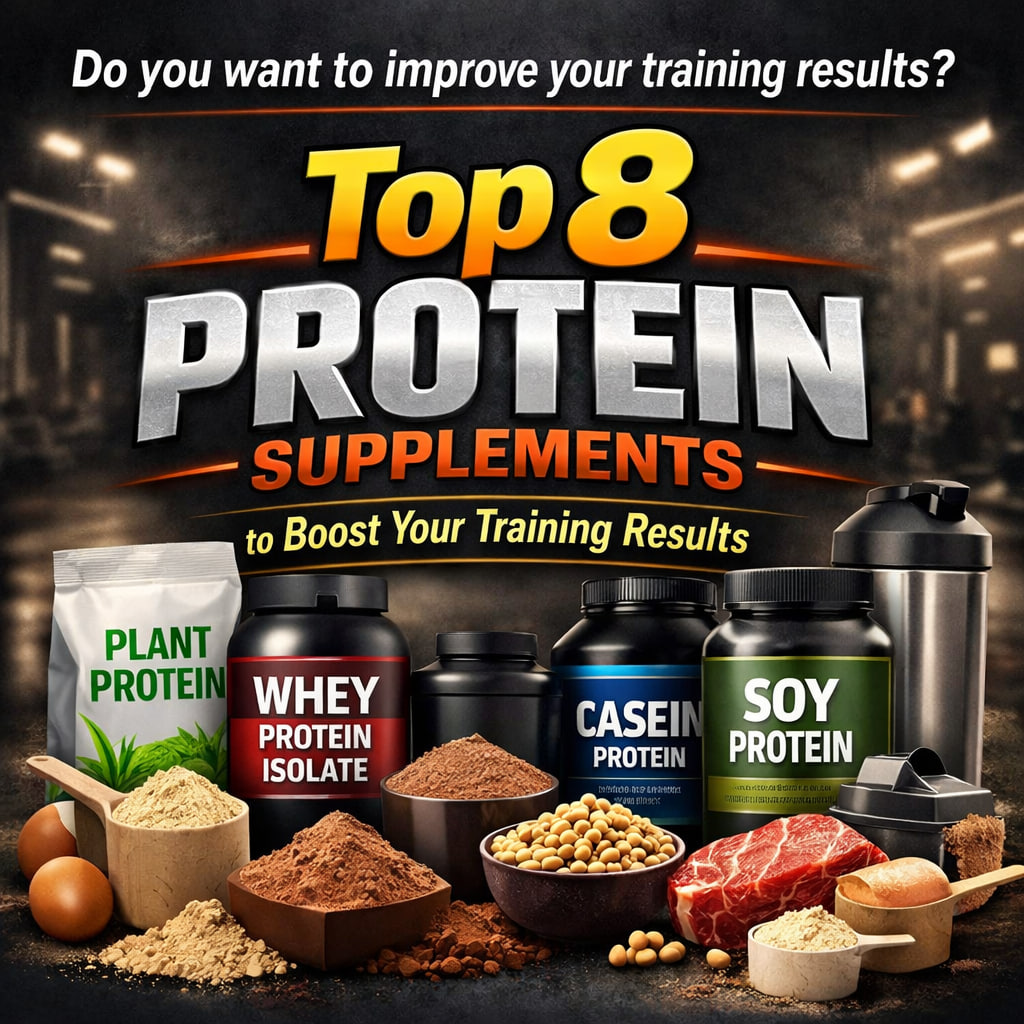
Protein supplements are a cornerstone of modern fitness nutrition. Whether your goal is muscle growth, fat loss, or faster recovery, the right protein can significantly enhance your results. Just like with cardio tools, choosing the right supplement depends on your goals, lifestyle, and training intensity. Below is a carefully selected top 8 protein supplements that combine quality, effectiveness, and convenience for both beginners and advanced athletes.
💪 Benefits of Protein During Training
Protein plays a critical role before, during, and after workouts:
- Supports muscle growth and repair by supplying essential amino acids
- Accelerates recovery and reduces muscle soreness
- Preserves lean muscle mass during fat loss phases
- Improves overall performance by supporting strength and endurance
Without adequate protein intake, progress in the gym can slow down significantly—even with perfect training.
1. Whey Protein Isolate
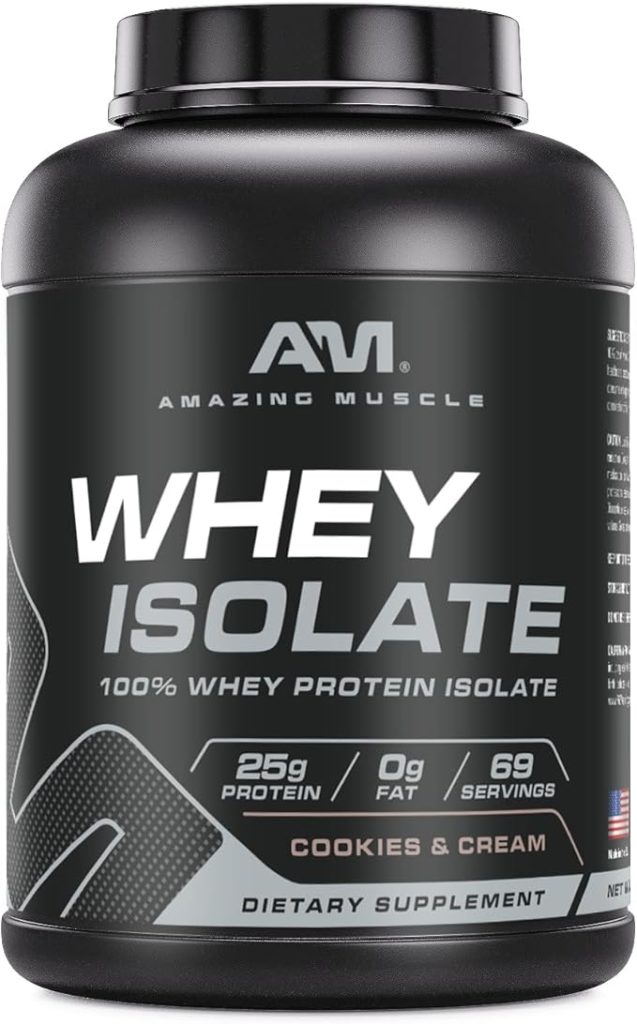
Whey Protein Isolate is one of the purest and most effective protein supplements used in sports nutrition. It undergoes advanced filtration, which removes most fats, carbohydrates, and lactose.
This type of protein is absorbed very quickly, making it ideal for post-workout recovery, when muscles are most receptive to nutrients. Whey isolate is rich in BCAAs and leucine, which directly stimulate muscle protein synthesis and help reduce muscle breakdown after intense training.
It is especially suitable for:
- Athletes focused on lean muscle growth
- People on calorie-restricted diets
- Those with mild lactose intolerance
The higher price reflects its purity and fast absorption, making it a premium but highly effective option.
See this product on Amazon here.
2. Whey Protein Concentrate

Whey Protein Concentrate is the most commonly used and versatile protein supplement. It typically contains 70–80% protein, along with small amounts of fats and carbohydrates, which contribute to better taste and texture.
Unlike isolate, concentrate undergoes less processing, allowing it to retain beneficial compounds such as immunoglobulins and lactoferrin, which may support immune health.
This protein works well:
- For beginners
- As an everyday protein source
- For people aiming to gain muscle mass
It is affordable, effective, and easy to use, making it a solid foundation for most fitness routines.
See this product on Amazon here.
3. Casein Protein

Casein is a slow-digesting milk protein that forms a gel-like substance in the stomach, releasing amino acids gradually over several hours. This makes it particularly effective for preventing muscle breakdown during long fasting periods, such as overnight.
Casein does not spike amino acid levels quickly, so it is not ideal post-workout. However, its ability to provide long-term muscle nourishment makes it invaluable for recovery.
Best used:
- Before sleep
- During long breaks between meals
Casein is ideal for athletes who want to maximize recovery and preserve muscle mass.
See this product on Amazon here.
4. Plant-Based Protein Blend

Plant-based protein blends combine multiple sources such as pea, rice, hemp, or pumpkin protein to create a more complete amino acid profile. Individually, many plant proteins lack certain essential amino acids, but blending solves this issue.
These proteins digest at a moderate speed and often contain fiber, vitamins, and minerals, making them more filling.
They are best suited for:
- Vegans and vegetarians
- People with dairy intolerance
- Those seeking a more natural protein option
While slightly less anabolic than whey, modern plant blends are highly effective when used consistently.
See this product on Amazon here.
5. Hydrolyzed Whey Protein

Hydrolyzed whey protein is whey that has been partially broken down into smaller peptides through enzymatic hydrolysis. This process allows for ultra-fast absorption with minimal digestive effort.
Because it requires almost no digestion, hydrolyzed whey is often used by:
- Professional athletes
- Individuals with sensitive digestion
- People during intense training or competition phases
Its taste can be slightly bitter, and the price is higher, but in terms of speed and efficiency, it is one of the most advanced protein forms available.
See this product on Amazon here.
6. Egg White Protein
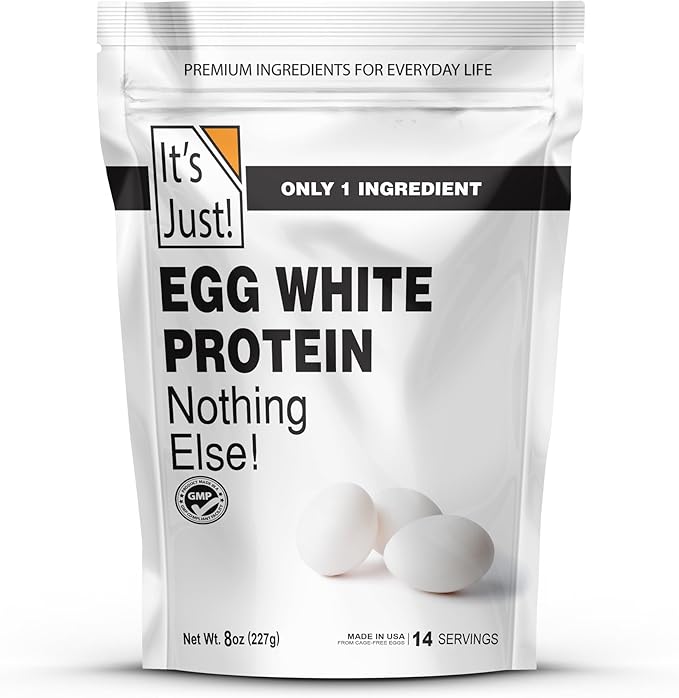
Egg protein is derived from egg whites and provides a complete amino acid profile with excellent biological value. It was once considered the gold standard for protein quality before whey became dominant.
Egg protein digests at a moderate rate and is completely lactose-free, making it a great alternative for those who cannot tolerate dairy.
It works well:
- As a daily protein source
- Between meals
- For people with milk allergies
Its main drawback is texture and flavor, but nutritionally, it remains a very strong option.
See this product on Amazon here.
7. Beef Protein Isolate
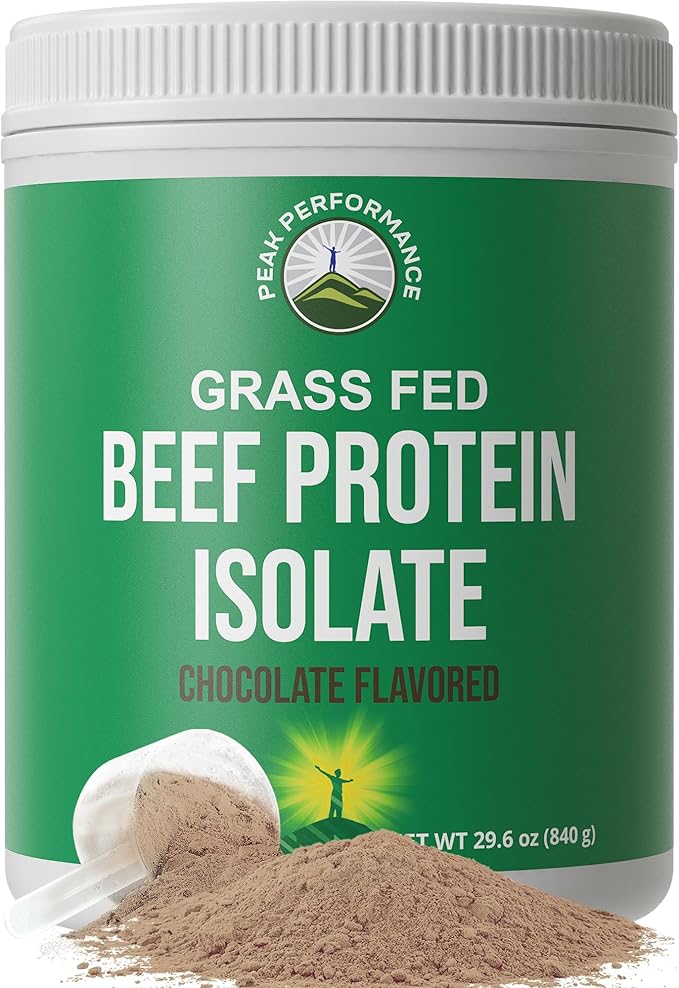
Beef protein isolate is made from hydrolyzed beef, typically excluding fat and cholesterol. It is high in protein and naturally contains creatine and collagen-related amino acids, which may support strength and joint health.
This protein is:
- Dairy-free
- Lactose-free
- Suitable for paleo-style diets
Although its amino acid profile is slightly less optimal than whey, it is a valuable alternative for athletes who avoid dairy products.
See this product on Amazon here.
8. Soy Protein Isolate
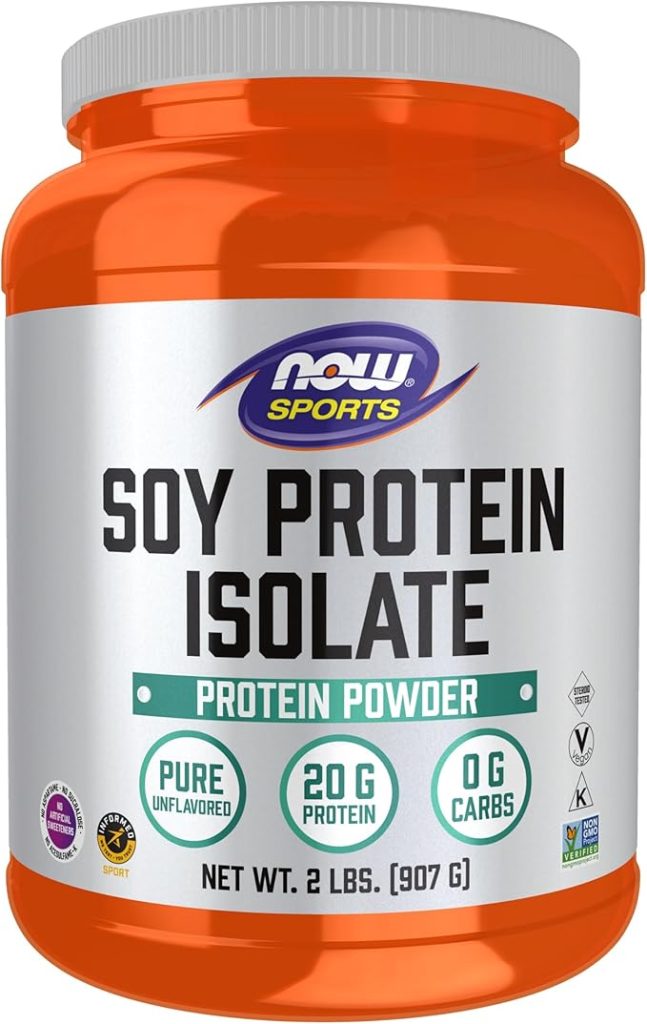
Soy Protein Isolate is one of the few plant proteins that offers a complete amino acid profile, making it comparable to animal-based proteins. It has been widely studied and shown to support muscle growth and recovery when total protein intake is sufficient.
Soy protein digests at a moderate speed and may also provide additional health benefits, such as:
- Supporting heart health
- Helping regulate cholesterol levels
It is best suited for:
- Vegan athletes
- People avoiding dairy
- Those looking for a plant-based yet performance-oriented protein
Taste and texture vary by brand, but nutritionally, soy remains one of the strongest plant-based protein options.
See this product on Amazon here.
🥤 How to Properly Use Protein
Using protein correctly is just as important as choosing the right supplement. Proper timing, dosage, and consistency determine how effective protein will be for muscle growth, recovery, and overall athletic performance.
1. Determine Your Daily Protein Intake
Your protein needs depend on body weight, training intensity, and goals:
- General fitness / active lifestyle: 1.2–1.5 g of protein per kg of body weight
- Muscle gain: 1.6–2.2 g per kg
- Fat loss while training: 1.8–2.4 g per kg
Protein supplements are meant to support your diet, not replace whole foods entirely.
2. Choose the Right Time to Take Protein
Timing helps optimize results:
- Post-workout:
Fast-absorbing proteins like whey isolate or hydrolyzed whey are ideal to kick-start muscle recovery and protein synthesis. - Between meals:
Whey concentrate, egg protein, or plant-based proteins help maintain a steady amino acid supply and prevent muscle breakdown. - Before sleep:
Slow-digesting proteins like casein provide prolonged muscle nourishment during sleep, supporting overnight recovery.
3. Pay Attention to Portion Size
A standard serving usually contains 20–30 g of protein, which is optimal for stimulating muscle protein synthesis.
- Beginners can start with 1 scoop per day
- Advanced athletes may use 2–3 servings daily, depending on diet and training volume
Taking more protein than needed does not accelerate results and may strain digestion.
4. Mix Protein Correctly
- With water:
Faster absorption, fewer calories — ideal post-workout or during cutting phases. - With milk or plant milk:
Slower digestion and extra calories — better for muscle gain. - Blend with fruits, oats, or nut butter to create a balanced protein shake.
Avoid mixing protein with extremely hot liquids, as heat can damage protein structure.
5. Consistency Matters More Than Timing
While timing can help, daily consistency is far more important. Regular protein intake ensures:
- Continuous muscle repair
- Improved recovery
- Better long-term progress
Even on rest days, maintaining protein intake is essential.
6. Hydration and Digestion
High protein intake increases the body’s need for water:
- Drink enough fluids throughout the day
- If digestion issues occur, choose isolate, hydrolyzed, or plant-based proteins
Protein supplements are most effective when used strategically and consistently. Match your protein type to your goals, spread intake evenly throughout the day, and remember that supplements work best alongside proper training, nutrition, and recovery.
Used correctly, protein becomes a powerful ally in achieving strength, muscle growth, and athletic performance. 💪
🍫 Will Protein Bars Really Help?
Protein bars are often marketed as a quick and convenient solution for athletes and active people. While they may look like a healthy alternative to sweets, protein bars are not as effective as protein supplements when it comes to supporting training, recovery, and muscle growth.
1. Protein Bars vs Protein Supplements
The main issue with protein bars is their composition. Unlike protein powders, which are designed to deliver high-quality, easily digestible protein, protein bars often prioritize taste and shelf life over nutritional value.
Common drawbacks of protein bars:
- High sugar content or sugar substitutes
- Unhealthy fats and fillers
- Lower protein quality and bioavailability
- Extra calories that are not always useful for training goals
In contrast, protein supplements provide clean, concentrated protein with minimal unnecessary ingredients.
2. Lower Absorption and Efficiency
Protein in bars is usually combined with fats and carbohydrates, which slows digestion and reduces the speed of amino acid delivery to muscles. After workouts, the body needs fast and efficient protein absorption—something protein bars cannot provide as effectively as whey or hydrolyzed protein shakes.
3. Hidden Calories Can Hurt Progress
Many protein bars contain 200–300 calories or more, which can negatively affect fat-loss goals. These calories often come from syrups, oils, or fillers rather than high-quality protein.
Protein powders allow you to:
- Control calorie intake
- Adjust portion size
- Avoid unnecessary sugars
4. Cost vs Value
When compared gram-for-gram:
- Protein bars are more expensive
- Provide less usable protein
- Offer lower nutritional flexibility
Protein supplements deliver better value and consistent quality.
5. When Can Protein Bars Be Useful?
Protein bars are not completely useless, but their role is limited:
- Emergency snack when no real food is available
- Travel situations
- Occasional meal replacement (not post-workout)
They should be treated as a convenience food, not a core protein source.
Protein bars do not replace protein supplements. They are less efficient, less economical, and often loaded with unnecessary ingredients. For muscle growth, recovery, and performance, protein powders remain the superior choice.
If your goal is real progress in training, rely on protein supplements and whole foods—use protein bars only as a last resort. 💪
📊 Comparison Table of Protein Supplements
| Protein Type | Absorption Speed | Best Time to Use | Suitable For |
|---|---|---|---|
| Whey Isolate | Very Fast | Post-workout | Lean muscle |
| Whey Concentrate | Fast | Anytime | Beginners |
| Casein | Slow | Before sleep | Recovery |
| Plant-Based Blend | Medium | Anytime | Vegans |
| Hydrolyzed Whey | Ultra-fast | Post-workout | Advanced athletes |
| Egg Protein | Medium | Anytime | Dairy-free |
| Beef Protein | Medium | Anytime | Lactose intolerance |
| Soy Protein Isolate | Medium | Anytime | Vegan athletes |
🔍 How to Choose the Right Protein?
Choosing the right protein supplement is not about picking the most expensive brand or the one with the loudest marketing. The best protein is the one that matches your goals, diet, training style, and digestion. Below are the key factors you should consider to make the right choice.
1. Define Your Main Goal
Start by identifying what you want to achieve:
- Muscle growth:
Fast-absorbing proteins like whey isolate or hydrolyzed whey are ideal for stimulating muscle protein synthesis. - Recovery and endurance:
A combination of whey and casein ensures both immediate and prolonged amino acid delivery. - Fat loss:
Choose low-calorie options such as whey isolate or plant-based protein with minimal sugars and fats. - Overall health & maintenance:
Whey concentrate or blended proteins work well for daily supplementation.
2. Consider Digestion and Food Tolerances
Your body’s response to protein matters:
- Lactose intolerance:
Opt for whey isolate, hydrolyzed whey, egg protein, beef protein, or soy protein isolate. - Sensitive digestion:
Hydrolyzed proteins and plant-based blends are easier to digest. - Vegan or vegetarian diet:
Choose plant-based or soy protein with a complete amino acid profile.
Ignoring digestion issues can reduce absorption and training effectiveness.
3. Check Protein Quality and Amino Acid Profile
A high-quality protein should provide:
- All essential amino acids
- Sufficient leucine, which triggers muscle growth
- Clear labeling of protein content per serving
Avoid products with vague blends or proprietary formulas that hide actual protein amounts.
4. Look at Ingredient Simplicity
The best protein supplements have short, clean ingredient lists:
- Minimal added sugars
- No unnecessary fillers
- Limited artificial flavors or colors
The fewer ingredients, the easier it is to control your nutrition.
5. Match Protein Type to Timing
Different proteins serve different purposes:
- Post-workout: Whey isolate or hydrolyzed whey
- Between meals: Whey concentrate, egg, or plant-based protein
- Before sleep: Casein protein
Choosing the right protein for the right time maximizes results.
6. Budget and Consistency
An expensive protein is useless if you can’t use it consistently.
- Pick a supplement you can afford long-term
- Consistency beats premium branding
- Mid-range quality proteins often deliver the best value
There is no “one perfect protein” for everyone. The right choice depends on your goals, digestion, diet, and routine. For most active people, whey protein remains the most effective and versatile option. Advanced athletes may benefit from combining multiple protein types throughout the day.
There is no “one perfect protein” for everyone. The right choice depends on your goals, digestion, diet, and routine. For most active people, whey protein remains the most effective and versatile option. Advanced athletes may benefit from combining multiple protein types throughout the day.
Choose smart, stay consistent, and your protein will work with your training—not against it. 💪
✅ Conclusion
Protein supplements are a powerful tool to support training, recovery, and long-term fitness progress. From fast-digesting whey to slow-release casein and plant-based options, each protein serves a unique purpose. Choose wisely, use consistently, and your workouts will become more effective, structured, and rewarding.
Which type of protein are you currently using—or planning to try next? 💪